top of page

Fruit List

Good source of potassium and vitamin B6; provides carbohydrates and fiber (~3 g/medium).

Banana

Grown widely in tropical regions (e.g., Ecuador, Costa Rica, Philippines). Available year-round. Great for smoothies, baking (banana bread), oatmeal, and quick snacks.

High in vitamin C and antioxidants; provides fiber (~3 g/cup) and low calories.

Strawberry

Grown in temperate climates (notably U.S. California/Florida, Mexico, Spain). Peak spring to early summer (varies by region). Use fresh in salads, desserts, smoothies, or macerated over yogurt.

Rich in antioxidants (anthocyanins) and vitamin K; provides fiber (~4 g/cup).

Blueberry

Grown in North America, Europe, and parts of South America. Peak summer; available year-round (fresh/imported or frozen). Ideal for muffins, pancakes, snacking, and smoothies.

Very high in fiber (~8 g/cup) and vitamin C; contains antioxidants.

Raspberry

Grown in temperate regions (U.S., Canada, Mexico, Europe). Peak summer into early fall; some regions have spring crops. Best in parfaits, jams, baking, and fresh snacking.

Provides fiber (~4 g/medium, especially in skin) and vitamin C; mostly water and carbohydrates.

Apple

Grown in temperate zones worldwide (U.S., China, Europe). Harvested late summer through fall; stored apples available year-round. Great for snacking, salads, sauces, and baking.

Excellent source of vitamin C; provides fiber (~3 g/medium) and folate.

Orange

Grown in subtropical regions (U.S. Florida/California, Spain, Brazil). Peak winter to early spring for many varieties. Use for snacking, juicing, salads, and zest in baking/cooking.

High in vitamin C; low calories; contains beneficial plant compounds.

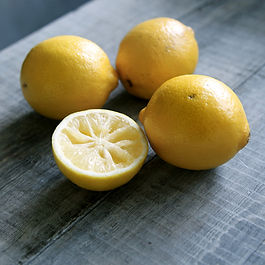
Lemon

Grown in warm climates (U.S. California/Arizona, Mediterranean). Often available year-round with peaks in winter/spring. Used for juice, zest, dressings, marinades, and desserts.

Good source of vitamin C; low calories; contains antioxidants.

Lime

Grown in tropical/subtropical areas (Mexico, U.S. Florida). Available year-round; often peaks summer. Used in beverages, salsas, marinades, and zest.

Provides vitamin K and antioxidants; mostly water and natural sugars.

Grapes

Grown in many temperate regions (U.S. California, Italy, Chile). Peak late summer/fall; available much of the year via imports. Great for snacking, salads, roasting, and cheese boards.

Contains antioxidants (especially dark cherries) and vitamin C; provides fiber (~3 g/cup).

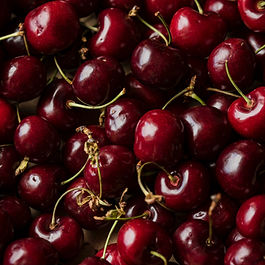
Cherries

Grown in temperate regions (U.S. Pacific Northwest, Turkey). Short peak season late spring through summer. Use fresh, in pies, compotes, or smoothies (pitted).

High in vitamin C and manganese; contains bromelain enzyme; provides fiber.

Pineapple

Grown in tropical regions (Costa Rica, Philippines). Available year-round; often sweetest spring/summer. Use fresh, grilled, in salsas, smoothies, and stir-fries.

Rich in vitamins A and C; provides fiber and antioxidants.

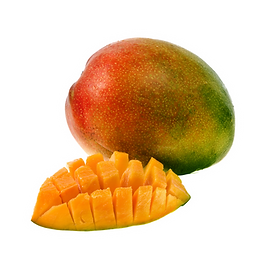
Mango

Grown in tropical/subtropical regions (India, Mexico, Peru). Season varies by origin; commonly spring/summer peaks. Use in smoothies, salsas, salads, and desserts.

Provides vitamin C, vitamin A, and fiber; low calories.

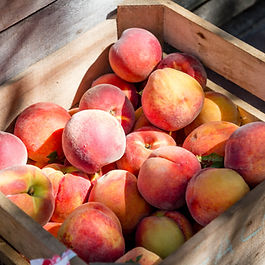
Peach

Grown in temperate regions (U.S. Georgia/California, Italy). Peak summer. Great for eating fresh, grilling, cobblers, and salads.

High in fiber (~6 g/medium) and provides vitamin C and potassium.

Pear

Grown in temperate regions (U.S., Europe). Peak fall through winter depending on variety. Great for snacking, poaching, salads, and baking.

Hydrating (high water content); provides vitamins A and C and lycopene (red varieties).

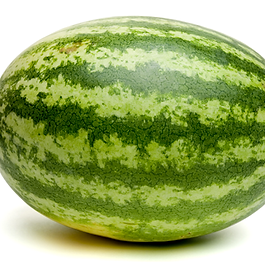
Watermelon

Grown in warm regions (U.S., Mexico). Peak summer. Perfect for slices, salads (with feta/mint), aguas frescas, and freezing into pops.

Very high in vitamin C; provides fiber and vitamin K; contains antioxidants.

Kiwi

Grown in temperate climates (New Zealand, Italy, California). Typically peak late fall through spring. Great for fruit salads, smoothies, and bright garnishes.

High in antioxidants and vitamin C; provides fiber (in arils) and potassium.

Pomegranate

Grown in Mediterranean climates (California, Turkey). Peak fall through winter. Use arils in salads, yogurt, desserts, or juiced.

High in vitamin C and fiber; contains antioxidants. Note: can interact with some medications.

Grapefruit

Grown in subtropical regions (U.S. Texas/Florida, Israel). Peak winter to spring. Eat fresh, broiled with honey, or segment into salads.

High in vitamins A and C; hydrating; provides potassium.

Cantaloupe

Grown in warm regions (U.S., Mexico). Peak summer. Use for breakfast bowls, prosciutto pairings, smoothies, and fruit salads.

Rich in monounsaturated fats; provides fiber (~10 g/medium), potassium, folate, and vitamin E.

Avocado

Grown in subtropical regions (Mexico, California, Peru). Available year-round with seasonal peaks by origin. Use for toast, guacamole, salads, and smoothies.

bottom of page